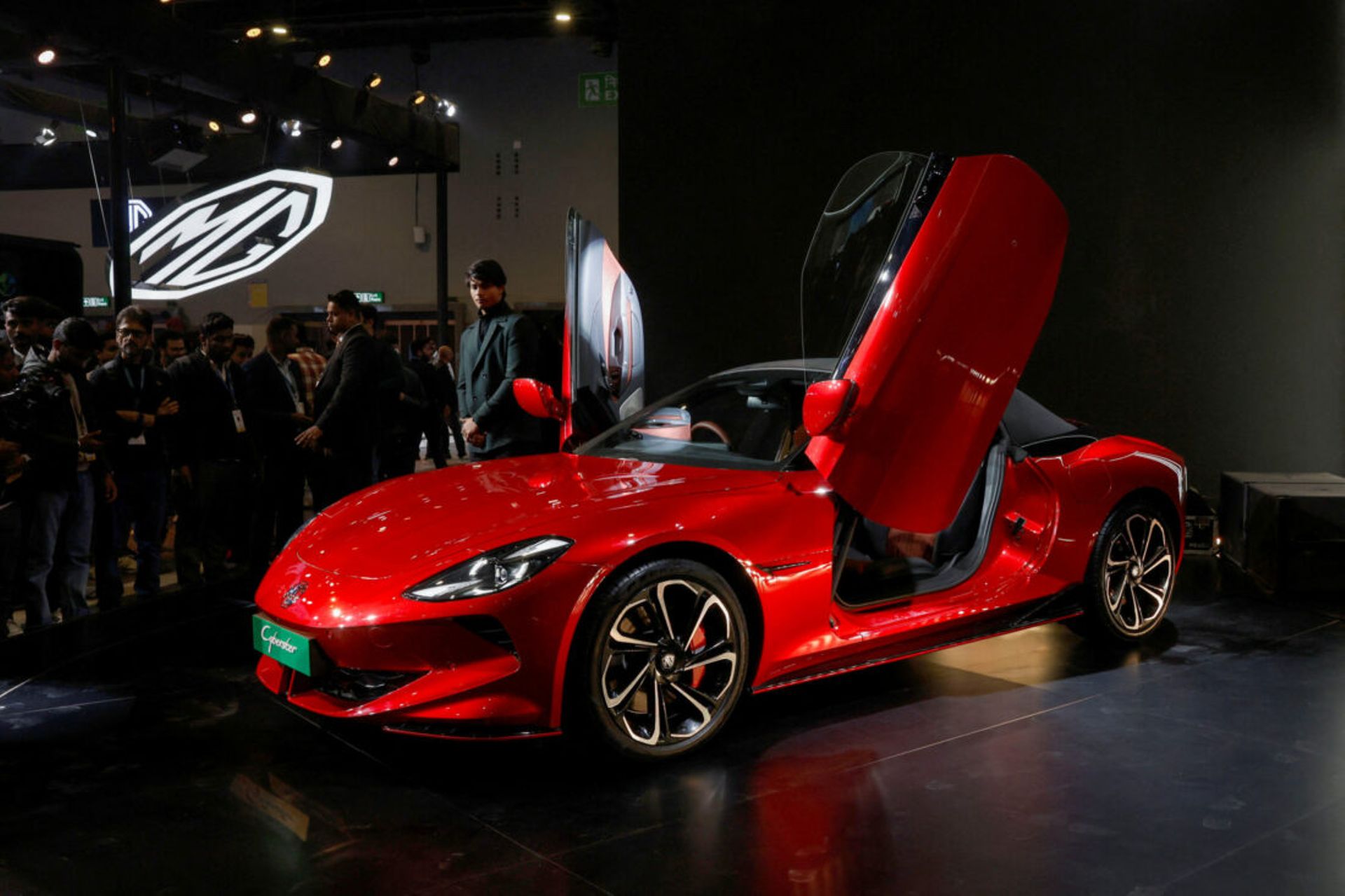
China’s SAIC Motor will sell a further 10% stake in its Indian carmaking venture, JSW MG Motor, two sources with direct knowledge of the matter told Reuters, in a deal that will make local partner JSW the biggest shareholder of the unit.
The decision follows SAIC‘s struggles to bring in equity and expand its operations due to New Delhi’s investment curbs, even after it trimmed its 100% ownership of the company and brought on board domestic partners, including billionaire Sajjan Jindal’s JSW Group.
SAIC currently owns a 49% stake in JSW MG Motor. The sources said it will sell a 10% stake to JSW, whose stake will then rise to 45% and make it the largest individual shareholder.
“Discussions are on, and JSW plans to close in a month. SAIC has agreed,” said one of the sources.
The second source said the deal will give JSW greater operational control and oversight of the business. The sources spoke on condition of anonymity because they were not authorised to speak to media.
SAIC, JSW and JSW MG Motor did not respond to requests for comment.
The sources did not know the value of the deal. When JSW Group bought its initial 35% stake two years ago, the unlisted unit was valued at $1.2 billion.
The first source said SAIC would re-invest about 6 billion rupees ($63 million) of its proceeds into JSW MG Motor to launch new cars, including extended-range EVs and hybrids, in a manner that would not change its shareholding.
Talks between the two companies began last year with JSW offering to buy most of SAIC‘s share to become the venture‘s single-largest shareholder, Reuters had reported, but a disagreement on the valuation prevented a deal at the time.
JSW MG Motor, India’s second-largest EV maker, has previously said it plans to invest up to $418 million to launch new cars and more than double its production capacity in the world’s third-largest car market to 300,000 units a year.
While the company’s sales have been rising, helped mainly by the Windsor EV, its losses have widened and competitors such as Mahindra & Mahindra are eating into its EV lead.
SAIC entered India in 2019 with plans to invest more than $650 million in the country but has been unable to meet that target after the Indian government put investment curbs in place in 2020.
Rival BYD Co, which entered India in 2021, also had plans to invest $1 billion for car manufacturing but is yet to get an approval from New Delhi to bring in funds.
While there has been a thaw in frosty relations between India and China in recent months, with New Delhi making it easier for Chinese firms to invest in sectors such as electronics, it is yet to lower the guardrail for carmakers.
Reuters