Global index provider MSCI will remove one Indonesian company from its indexes, it said on Wednesday, dealing a blow to the country’s efforts to avoid a downgrade and retain its emerging-market status.
The latest setback comes a month after MSCI warned Indonesian stocks could be removed from its indexes next year and the market relegated to “standalone” status, a much harsher fate than the one the index provider first threatened in January.
The deletions will force funds that track its indexes to sell the shares, and will take effect after the close of trading on November 30.
Barito Pacific will be removed from MSCI’s global standard index, while Bumi Resources Minerals will be moved from that index to the small cap index.
MSCI Indonesia index currently has nine firms after the index provider culled six companies in May and two more in August.
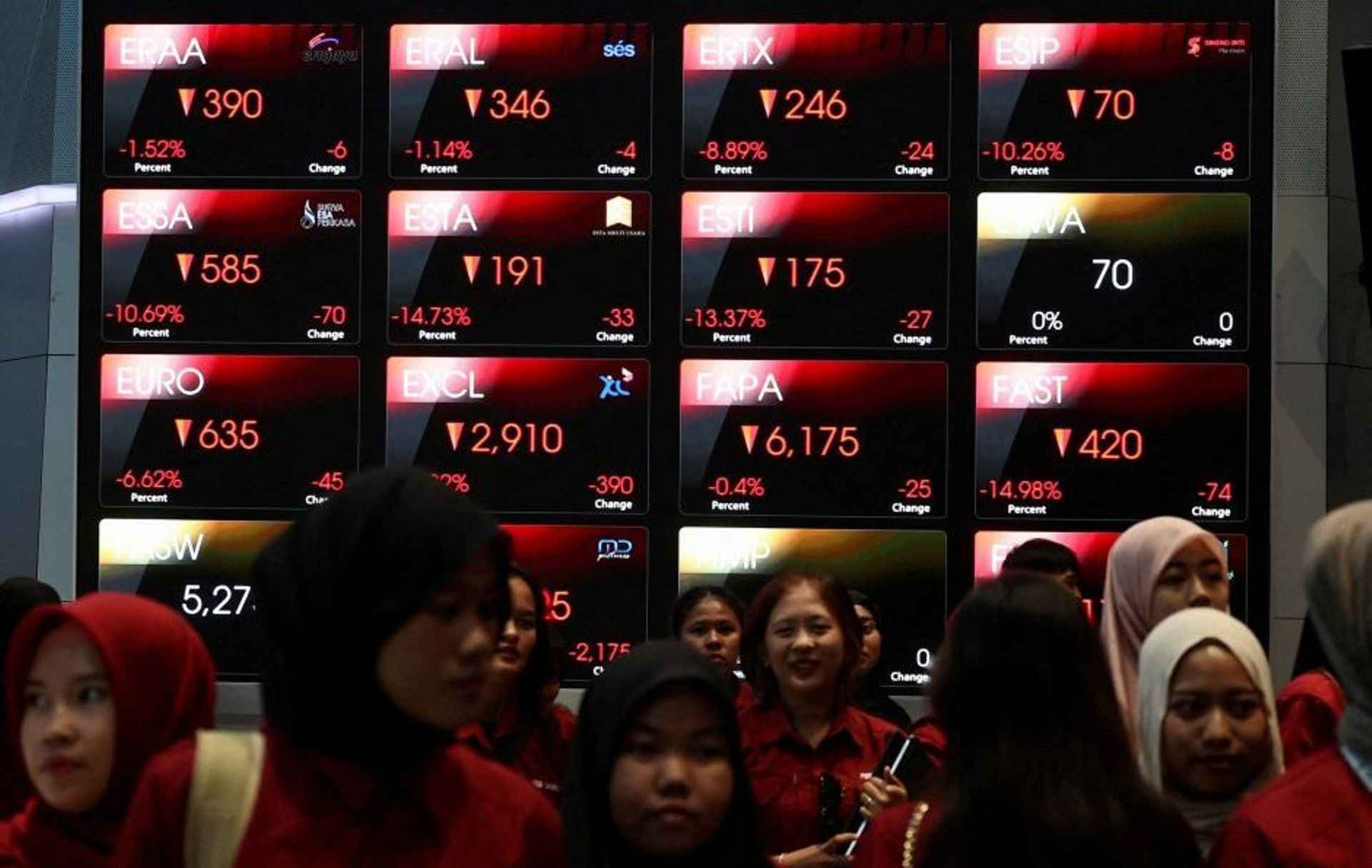
The threat of a downgrade has cast a shadow over Indonesian markets, with the benchmark index down over 40% this year, making it the world’s worst-performing major stock market.
Last month, MSCI cited Indonesia’s failure to improve ownership transparency and curb coordinated trading, turning what had been a downgrade risk to “frontier” market status into a full-blown crisis of investor confidence.
Indonesian authorities have spent much of the year trying to address MSCI’s concerns, tightening disclosure requirements and laying out plans to raise minimum free floats.
Last month, the regulator announced sanctions linked to alleged manipulation, while earlier this week the stock exchange removed the 5 trillion rupiah market cap threshold for screening companies that breach high shareholding concentration rules.
MSCI is seeking feedback on the reclassification proposal until April 30, 2027 and will announce its decision on or before June 30, 2027, although analysts worry that many of the active investors may exit Indonesia before that.
Foreign investors have already pulled out $5.4 billion from Indonesian equities this year. Goldman Sachs has estimated MSCI’s removal of the country’s stocks from its indexes could spur $5.6 billion of passive outflows.
Indonesia has been an MSCI emerging market since 1989, and a downgrade would be a huge reversal for a market that until recently was a favourite of foreign investors.
More than $1.8 trillion in assets are benchmarked to MSCI’s emerging-market indexes, according to the index provider’s website.
Reuters