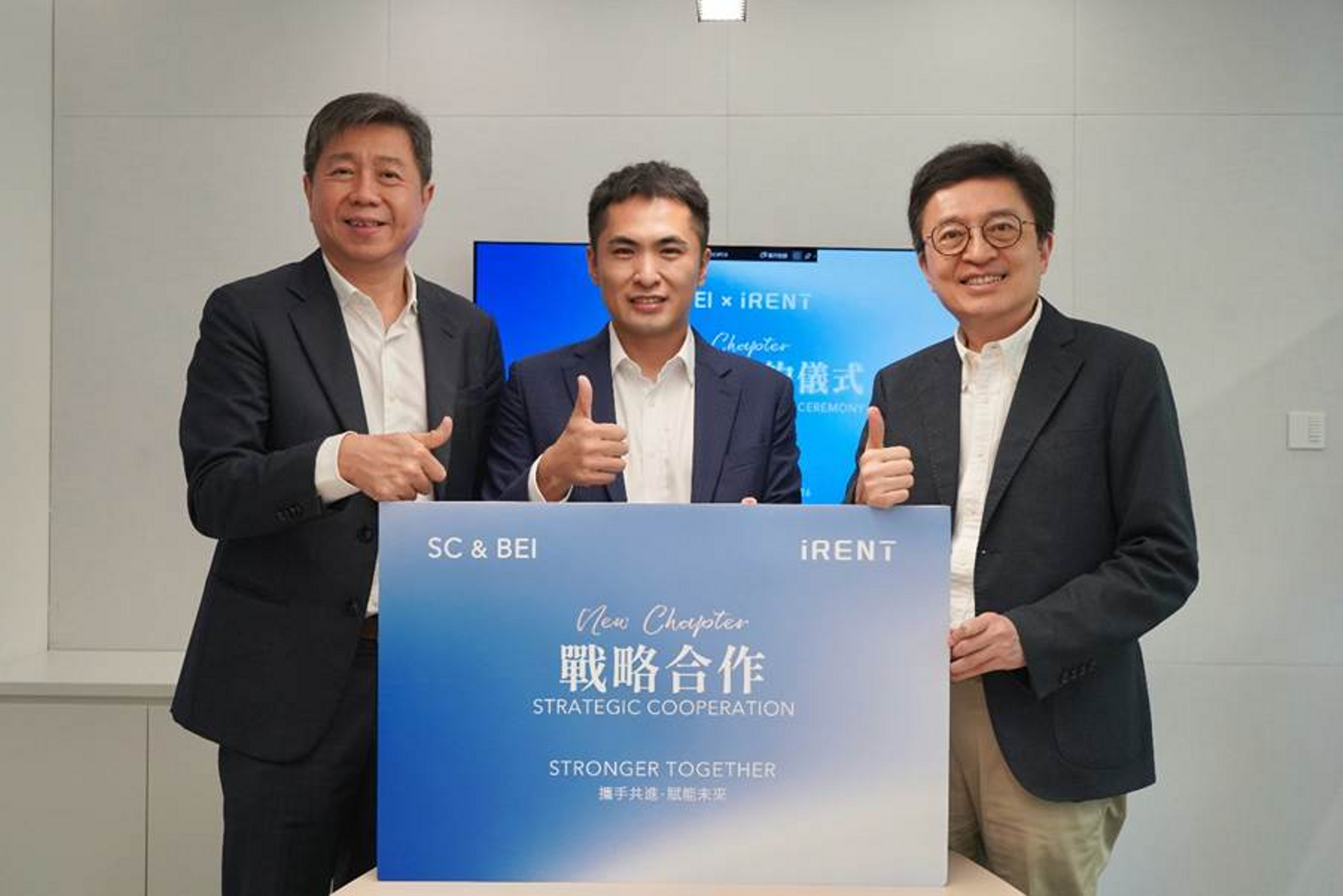
Suchad Chiaranussati, founder and chairman of Singapore-based real estate investment manager SC Capital Partners, and Collin Lau, founder and CEO of BEI Group, have jointly invested in Hong Kong student housing operator iRENT. In a separate development, Singapore-headquartered data centre operator DayOne Data Centers has signed a memorandum of understanding (MoU) with Sembcorp Utilities to explore integrated power and energy solutions for its data centre developments across Asia.
SC Capital Partners founder, BEI Group CEO invest in HK student housing operator iRENT
Suchad Chiaranussati, founder and chairman of Singapore-based real estate investment manager SC Capital Partners, and Collin Lau, founder and CEO of BEI Group, have jointly invested in Hong Kong student housing operator iRENT, as they look to build a youth accommodation platform across Asia.
The duo plan to help iRENT to expand its portfolio in Hong Kong through property refurbishments, improve its leasing systems and customer services, and eventually enter other Asian markets. However, the financial terms of the investment were not disclosed.
Founded in 2014, iRENT currently manages 30 buildings with nearly 3,000 beds in Hong Kong. Over the next two years, it aims to expand its managed portfolio to more than 50 buildings, with capacity exceeding 5,000 beds.
The investment comes amid rising demand for student accommodation in Hong Kong, driven by an increase in international student enrolment and a shortage of purpose-built housing, the company said.
“Hong Kong’s universities are increasingly attracting students from mainland China and overseas, yet the supply of student accommodation remains limited,” Chiaranussati said. He added that the imbalance could support sustained demand for professionally managed accommodation.
Lau added that the investment reflects opportunities in specialised living sectors across Asia. “Building on iRENT’s strong foundation in Hong Kong, Suchad and I believe the platform is well positioned to expand its capabilities and footprint over time,” he said.
The investors will also work with iRENT to adapt its operating model for other markets, drawing on their regional real estate networks and experience.
Chiaranussati owns Fusion Hotel Group and Hotel Management Japan, which together manage more than 50 hotels with over 12,000 rooms across Asia-Pacific. SC Capital Partners, founded in 2004, oversees $9.7 billion in assets under management as of June 2026.
Lau’s BEI Group invests in and operates businesses across real estate, accommodation, and healthcare.
DayOne, Sembcorp to explore energy solutions for data centres across Asia
Singapore-headquartered data centre operator DayOne Data Centers has signed a memorandum of understanding (MoU) with Sembcorp Utilities to explore integrated power and energy solutions for its data centre developments across Asia, as operators seek to secure electricity supply amid rising demand from artificial intelligence.
Under the agreement, the companies will assess potential solutions covering on-site power generation, renewable energy supply, fuel supply and storage, and operations and maintenance services for selected projects.
“Scaling digital infrastructure means thinking about the energy pathways powering it from the outset,” said Jamie Khoo, chief executive of DayOne.
The partnership will allow the companies to assess the feasibility and commercial viability of potential projects before deciding on implementation.
“Powering AI requires energy infrastructure to grow alongside digital infrastructure,” said Koh Chiap Khiong, president and chief executive of Sembcorp’s gas and related services business. The collaboration aims to develop energy solutions that can support DayOne’s expansion across Asia, he added.
The agreement builds on existing cooperation between the companies. Sembcorp already has a power purchase agreement to supply renewable energy to DayOne’s upcoming SG1 data centre in Singapore, whose operations are expected to be fully covered by renewable energy under the arrangement.
DayOne aims to use 100% renewable energy by 2030, where market conditions allow.