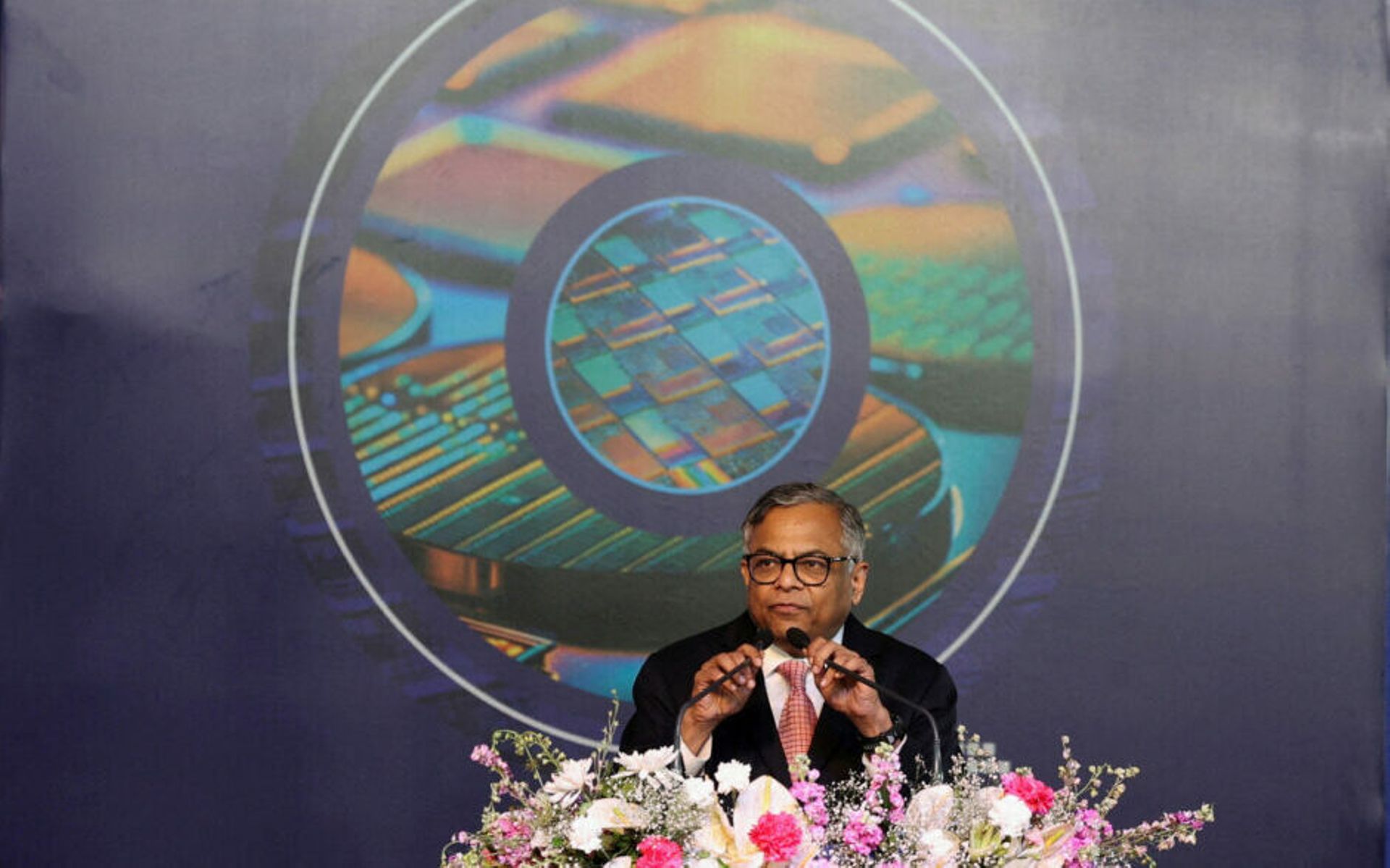
The chairman of India’s Tata Sons, N. Chandrasekaran, said on Wednesday that he has resigned in light of the lack of board approval for his reappointment amid tensions with the charity arm that controls the salt-to-aviation Tata Group.
Tata Sons controls more than 30 companies in the conglomerate, including Tata Consultancy Services (TCS), Tata Motors and Air India, but is in turn 66% owned by Tata Trusts, the group’s charitable arm.
Disagreements have been brewing between Chandrasekaran and Tata Trusts over the past few months, with the two sides clashing over board representation, strategy, losses at group company Air India and how to handle the planned exit of a minority shareholder.
In February, Tata Sons postponed a decision on reappointing Chandrasekaran as chairman after Noel Tata, chairman of Tata Trusts, opposed the move.
“It has been 6 months since that board meeting, and no resolution has been reached till date,” Chandrasekaran said in his statement, adding he would continue in the position until February 2027.
“Tata Sons is a very large institution and there are many strategic projects that are under critical stages of execution,” he added.
The disagreements between Chandrasekaran and the Tata Trusts were the sole reason for his resignation, said a source with direct knowledge of his decision.
Shares in Tata Group companies fell, with TCS losing 4%.
Chandrasekaran joined the Tata Group in 1987 as an intern at TCS and spent essentially his entire corporate career at the IT giant, rising through the ranks to become CEO in 2009, before taking over as Tata Sons chair in 2017.
Over the past year, the Tata conglomerate has also had to grapple with regulatory scrutiny of Air India following a fatal crash, pricing pressure at TCS and a cyberattack at Jaguar Land Rover that disrupted production and weighed on Britain’s economic output.
Feuds between Tata Sons and Tata Trusts have roiled the storied Indian conglomerate before, most famously in 2016 when Tata Sons’ board sacked then-chairman Cyrus Mistry after he fell out with group patriarch Ratan Tata over corporate governance issues, triggering a bitter legal battle that lasted several years.
Reuters