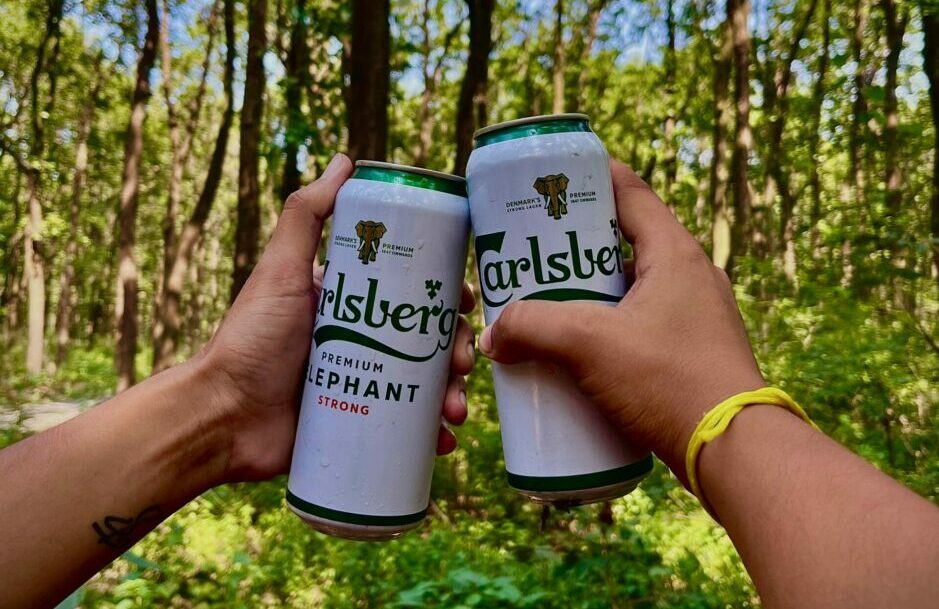
Danish brewer Carlsberg on Wednesday reported a forecast-beating 5% rise in full-year operating profit and flagged a possible initial public offering of its Indian operations, sending its shares higher.
The world’s third-largest brewer after Anheuser-Busch InBev and Heineken forecast between 2% and 6% profit growth this year, but warned it did not expect any improvements in a stubbornly difficult consumer environment.
All three brewers have been struggling to grow beer sales volumes, hit by everything from bad weather to geopolitical uncertainty. Carlsberg, which owns brands including Kronenbourg 1664, Tuborg and Somersby, has fared better than some rivals thanks to a push into soft drinks, including via its acquisition of soft-drinks maker Britvic.
The company said on Wednesday that benefits from the Britvic deal, which completed last year, were being seen ahead of schedule.
It also flagged a possible initial public offering of its Indian operations, confirming media speculation that has been swirling since last year.
Analysts said commentary on these two issues helped push the brewer’s shares up almost 4% by 1018 GMT.
India IPO could reduce debt
CEO Jacob Aarup-Andersen said the brewer was reviewing an IPO in India, but no decisions had been made. He declined to comment further.
Haider Anjum, analyst at Jyske Bank, said such a move could bring Carlsberg‘s leverage almost down to its target of below 2.5 times operating profit.
“As soon as they reach their deleveraging targets, then they can start with share buybacks again,” said Berndt Maisch, senior fund manager at Tresides Asset Management, a Carlsberg investor, adding that a rough estimate of proceeds is around 5 billion Danish crowns ($790.99 million) from selling 25% of the business.
Carlsberg reported a 2025 organic operating profit of 13.99 billion Danish crowns before special items, versus analyst expectations for 13.82 billion crowns.
While it forecast more profit growth next year, Aarup-Andersen warned there were no signs yet of a material change in consumer behaviour.
Geopolitical uncertainties, particularly surrounding trade policies, would be the key deciding factor, he said.
“Another year of continued changes and uncertainties around trade policies will impact job creation and it will impact consumer confidence,” he said.
Reuters