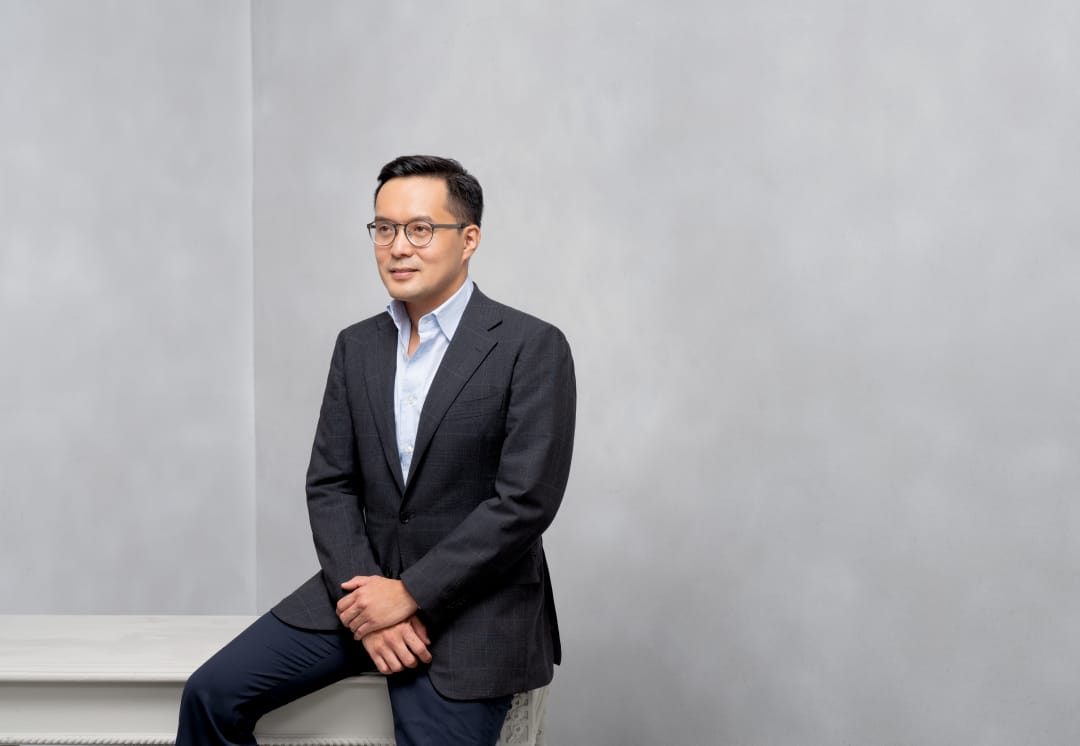
GoTo Group chief executive Patrick Sugito Walujo is set to step down from the helm of the Indonesia-listed tech giant, with chief operating officer and president of on-demand services Hans Patuwo emerging as the leading candidate to replace him, in a leadership shake-up that could ease the path to a long-mooted merger with Grab, DealStreetAsia has learnt.
The move, which follows weeks of pressure from influential shareholders and renewed scrutiny of the company’s strategy, has secured the backing of key investors and is expected to be formally communicated to GoTo employees this week, perhaps as early as Monday (November 24), when the company plans to hold a townhall, according to multiple people familiar with the matter.
Recent media reports have said major investors including SoftBank, Provident Capital Partners, and Peak XV have been pushing for a change at the top as talks over a potential Grab-GoTo combination resurface. Earlier this month, several shareholders, including some co-founders, were reported to have signed a memo to the board seeking an extraordinary general meeting to vote on Walujo’s removal.
DealStreetAsia reached out to GoTo for comment on the developments, but there was no response till the time of publication.
Discussions around Walujo’s exit have been circulating since the beginning of this month, after merger talks between Grab and GoTo resurfaced, with Indonesian sovereign wealth fund Danantara joining as a participant in the preliminary discussion channel.
Danantara—launched this year to manage some $900 billion in state-owned assets—has emerged as a central player in the merger blueprint.
People familiar with the talks say Grab and GoTo have been exploring a structure that would give the fund a minority stake in the combined group and special rights over the Indonesian business, a “golden share” that would anchor government interests in areas such as driver welfare and pricing while easing political concerns over ceding control of a national champion.
The merged group could be valued at around $29 billion and would control roughly 90% of Indonesia’s ride-hailing and food delivery market, according to public data and media reports.
Analysts say bringing Danantara ‘inside the tent’ would put Jakarta at the nerve centre of one of Southeast Asia’s most important digital platforms, giving it visibility over future regulation of ride-hailing, deliveries, payments and data, and potentially smoothing approvals in a sector that has become politically sensitive.
At the same time, the arrangement is expected to draw close scrutiny from competition watchdogs in Indonesia and Singapore, given the combined group’s dominant market share.
Patuwo, who has been steadily elevated within GoTo’s leadership ranks, was earlier this year given a broader remit overseeing the on-demand services business while continuing as group COO and director. In that role, he has been tasked with aligning operations and driving synergies across GoTo’s various business units, including its financial services arm—responsibilities that position him as a natural contender to take over as chief executive, the people said.
If Patuwo does take the helm, investors and regulators will be watching closely to see whether the management change unlocks a clearer path to a Grab-GoTo tie-up, and how any eventual deal balances Indonesia’s national-interest concerns with the pressure from global shareholders to finally end years of losses in Southeast Asia’s super-app wars.
Even as GoTo clarified in a Nov 10 statement that it had not reached any decision or agreement regarding a transaction with Grab, it stressed that it would continue to comply with governance and disclosure rules as a listed company.
Shortly after that, in a separate note, GoTo confirmed it will hold a shareholder meeting on December 17 but said the agenda is unrelated to the corporate action currently attracting public attention.
Grab president and COO Alex Hungate has also publicly played down the merger speculation. “That story has come and it’s gone away, maybe three or four times in the last six years,” he said at a Bloomberg summit on Nov 14.
Sources aware of the developments, however, told DealStreetAsia that the merger talks, which had earlier targeted completion this year, are now expected to make “substantial progress” by March 2026.
DealStreetAsia had reported in February that both sides aimed to wrap up negotiations within this year, in a deal that could value GoTo at about $7 billion and create a single Southeast Asian super-app operator.
At that time, this portal had reported that Provident Capital Partners executive Winato Kartono, who also serves as a GoTo commissioner, was leading the effort to bring the parties to an agreement. The talks, which had reached a very advanced stage, were suspended later due to concerns from local regulators and shareholder disagreements, DealStreetAsia reported in September.
A former top Grab executive, who requested anonymity due to the sensitivity of the matter, said that acquiring GoTo would give Grab the cleanest path to eliminate persistently high customer-acquisition and marketing costs in Indonesia, its most competitive market.
Walujo, a co-founder of private equity firm Northstar Group, has been GoTo Group CEO since June 2023, replacing former chief executive Andre Soelistyo. He had previously said he was committed to stay in the role until 2029, after joining the company’s board as a commissioner in March 2023.
Under his leadership, one of GoTo’s most significant moves was the restructuring of its e-commerce business through the sale of Tokopedia to TikTok, which acquired a 75.01% stake from GoTo for $840 million in December 2023. The deal allowed GoTo to reduce its exposure to cash-burning e-commerce while retaining economic upside through its remaining minority stake.
These developments come even as Grab’s own financials have strengthened and the company has cautiously returned to dealmaking.
After turning profitable on a quarterly basis since Q4 2023, Grab has begun deploying capital into a string of autonomous driving and mobility-related startups, while sitting on a cash war chest of around $5.3 billion.
Recent disclosures and media reports highlight investments in players such as WeRide, Hesai, May Mobility and Momenta, alongside partnerships with autonomous vehicle firms in Korea, the US, and China, a push executives describe as part of a longer-term strategy to secure key technology and lead AV adoption across Southeast Asia.