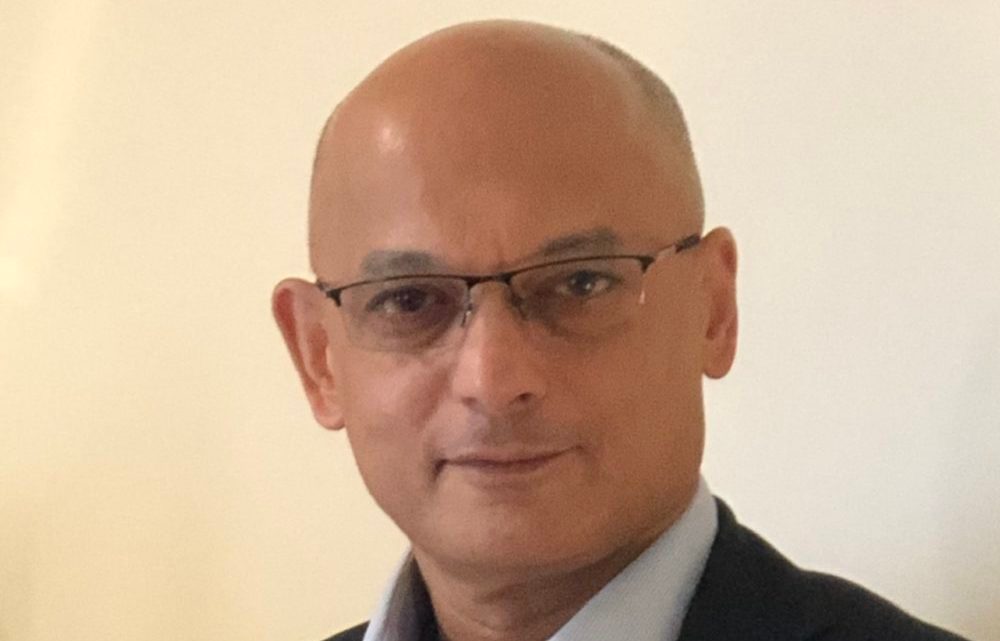
I’ve spent years navigating India’s health insurance sector, and the landscape today is a complex mix of promise and challenge. As a healthcare-focused investor, I’ve witnessed explosive growth alongside sobering roadblocks. This is my perspective on where the industry stands and where it’s headed.
The evolution and the missing middle
India’s health insurance journey has been transformative. Post-independence, coverage was minimal—limited to government employees through ESIC and CGHS. Private insurance was virtually non-existent, and most Indians paid out of pocket for healthcare.
The landscape shifted in the 1990s and 2000s with private insurers entering the market, marking a transition from complete self-pay towards insurance coverage. The market reached $15.06 billion in gross written premium in 2024, projected to grow at 20.9% CAGR through 2030. Medical inflation climbed to 14% in 2024, outpacing general inflation and pushing households towards comprehensive coverage.
This surge has catalysed healthcare market expansion. As more Indians gain financial access through insurance, providers can serve a larger population, creating a virtuous cycle. Nearly 60% are eligible for publicly financed protection through Ayushman Bharat or state schemes, ~10% are covered by social health insurance (ESIS, CGHS), and ~9% have private voluntary insurance.
This leaves a “missing middle” of at least 30%—over 400 million people—with no financial protection.
Analysis from Brookings India shows 7% of India’s population is pushed into poverty annually due to healthcare costs, with 24% of households incurring catastrophic health expenditure at the 10% threshold level.
Ayushman Bharat provides ₹5 lakh coverage to the bottom 40% of the population, and private coverage is deepening post-COVID. Yet this missing middle—400-500 million Indians too affluent for government schemes yet unable to afford comprehensive private care— represents the biggest opportunity.
Specialised healthcare investors such as Somerset Indus Capital are backing affordable delivery models through a “Capital for Change” philosophy. Entrepreneurs are experimenting with low-cost products for semi-urban and informal workers. In Brazil, a quarter of citizens pay for private insurance atop the free public system (SUS), creating a tiered approach India could emulate. The market is large enough for both public schemes and private insurance to coexist, with significant room for expansion. This growth is translating into sectoral impact across the healthcare ecosystem.
New innovations and trends
Indian health insurance historically focused on hospitalisation. Key innovations are changing this:
OPD Coverage: Insurers are rolling out outpatient coverage for doctor visits, medicines, and diagnostics, though claims have surged as insurers refine pricing.
Alternative Financing Models: Healthcare crowdfunding platforms like Ketto and Impact Guru have democratised access to capital for medical emergencies. NBFCs and fintech players offer medical credit at point of care through healthcare loans embedded into hospital billing systems. Embedded insurance—coverage bundled directly into healthcare services—removes friction from traditional purchase processes.
Women-Centric Plans: Bajaj Allianz launched HERizon Care (February 2025), India’s first comprehensive women’s health insurance. ICICI Pru partnered with RGA (December 2024) to launch “ICICI Pru Wish,” a first-of-its-kind women’s insurance plan.
Senior Coverage: The government’s Ayushman Vay Vandana scheme (October 2024) grants ₹5 lakh coverage to all citizens aged 70+. IRDAI removed the age cap of 65 years for purchasing health insurance effective April 1, 2024.
Modular Plans: Cumulative bonus plans automatically boost coverage annually. With medical inflation at 14%, households are upgrading with add-ons like critical illness riders.
The pricing puzzle
Premiums must remain affordable yet cover rising healthcare costs. Group insurance operates at rock-bottom rates that haven’t kept pace with inflation. Retail insurance shows more pricing power, with 10-15% annual hikes.
Pricing is becoming data-driven. Recent regulatory changes—allowing life insurers to sell health policies and vice versa (composite licenses) and permitting agents to sell multiple insurers’ products (open architecture)—are increasing competition. Insurers will differentiate through AI-driven underwriting and fraud detection.
Sectoral impact
Insurance expansion is reshaping healthcare delivery across sectors for three key reasons: increased financial access enabling larger patient volumes, standardised protocols improving care quality, and competitive pressure driving operational efficiency.
Hospitals: Cashless insurance has changed hospital economics, creating tariff negotiations. Rising costs (staff, equipment, inflation) must balance against insurer claims ratios. The National Health Claims Exchange (NHCX) aims to cut processing time from 30-45 days to under a week.
Diagnostics: Traditional insurance covered diagnostics primarily when linked to hospitalisation. This is changing as penetration grows. More insurers include annual health check-ups and preventive screenings in base policies. As the missing middle gains coverage and employers expand wellness benefits, diagnostic services are extending to tier II and III cities. The shift towards OPD coverage is particularly significant—once mature, routine diagnostic tests could become as accessible as hospitalization.
Pharmaceuticals and Biotech: Gene therapies and biologics for rare diseases cost crores but remain uncovered. Biotech innovations in personalised medicine and cell therapies offer breakthrough outcomes yet stay outside coverage due to prohibitive costs. Insurers and regulators are discussing shared cost pools and installment-based pricing.
Nutraceuticals and Preventive Care: Coverage remains nascent beyond annual check-ups. Some insurers offer wellness programmes— nutrition counselling, weight management, healthy behaviour rewards. However, nutraceuticals and preventive medicines remain out of pocket. Data show ₹1 on prevention saves ₹5 in treatment, pressure will mount for coverage, though systematic inclusion is years away.
Devices & Healthtech: Coverage for devices like stents or prosthetics is improving through partnerships. Digital health platforms offering teleconsultations and mental health counselling are being bundled with insurance, with formal reimbursement likely becoming standard.
Technology and the road ahead
Digitalisation has accelerated dramatically. AI in claims processing scans documents, flags anomalies, and fast-tracks genuine claims —some insurers now clear payments in minutes.
NHCX is building a UPI-like interface for claims. Combined with Account Aggregator and digital health ID (ABHA), this enables seamless data sharing, unlocking micro-covers at point of care and credit-cum-insurance bundles for gig workers.
Insurtech companies enable instant policy issuance and app-based claims. Regulators have introduced sandbox environments and open APIs. Digital tools are lowering distribution costs and enabling micro-insurance via mobile apps, while fintech offers embedded health loans.
Looking ahead
India stands at the cusp of a more inclusive health insurance ecosystem. Policy support, technology, and investor commitment are converging. We must guard against adverse selection and ensure ethical data use. But reflecting on our journey—from when health insurance was limited to government employees to today when significant portions have coverage—we’re moving in the right direction.
The expansion from basic ESIC coverage to a thriving market, the growth of healthcare financing models, and the resulting scale expansion across diagnostics, hospitals, and other healthcare sectors demonstrate the transformative power of insurance-led growth.
If we continue to innovate collaboratively—insurers with hospitals, tech firms with regulators, specialised healthcare investors like Somerset Indus Capital with healthcare enterprises, and alternative financing alongside traditional insurance—we can achieve health coverage for all. That’s not just insuring lives, but truly changing them for the better, at scale.
The author is founder and managing partner, Somerset Indus Capital Partners
Sources: Grand View Research, NITI Aayog (Health Insurance for India’s Missing Middle, 2021), Brookings India, IRDAI, FinanceX, PolicyX