The fall from grace of Indonesian aquatech startup eFishery, once hailed among Southeast Asia’s high-flying unicorns, has been a let-down for its backer, Temasek, one of the world’s largest state investors with a portfolio worth S$434 billion ($339 billion).
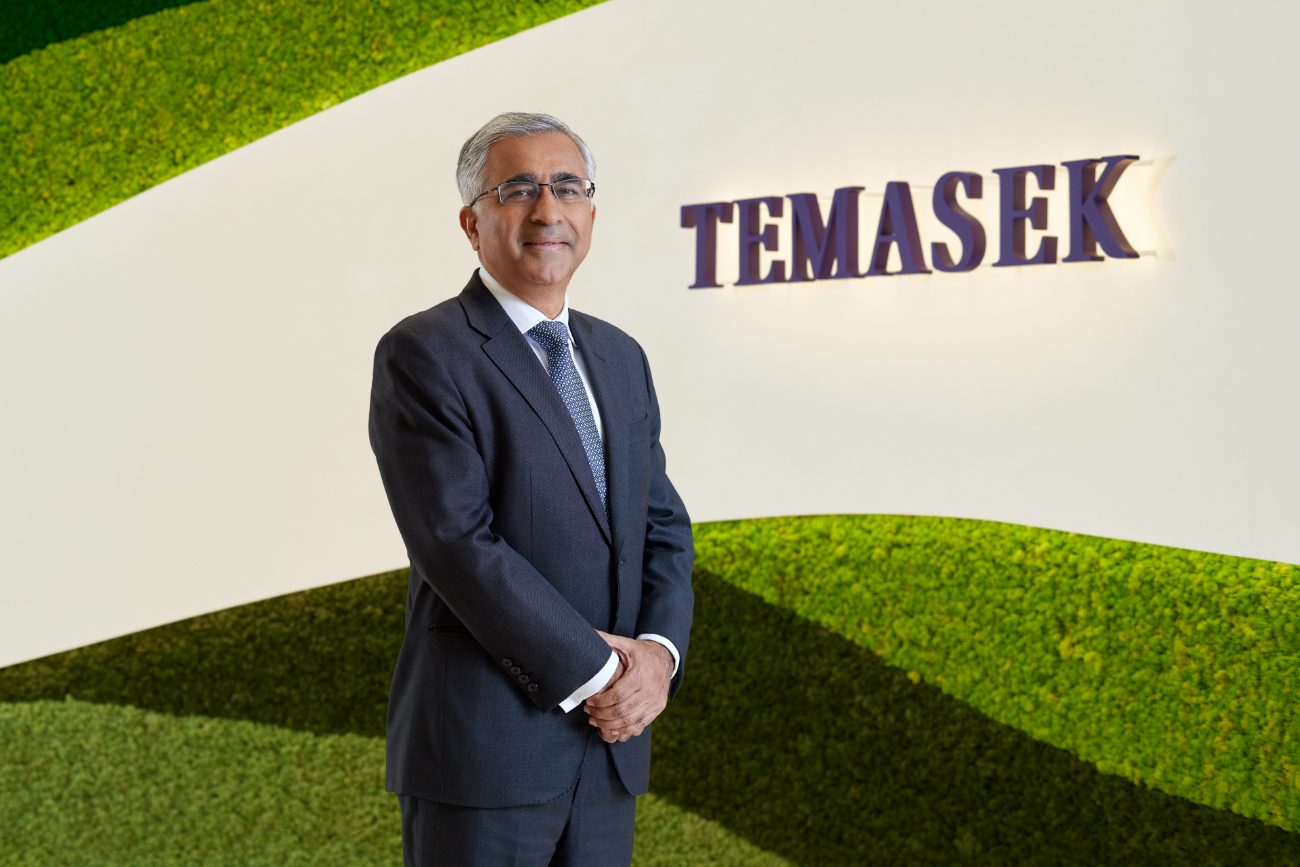
“We were all surprised and disappointed with the uncovering of the fraud that seems to have happened at eFishery,” said Temasek’s chief investment officer Rohit Sipahimalani.
“We recognise that in early-stage investing, when you invest in a couple of 100 companies, you can try and do your best, but if there is fraud and intentional fraud, you cannot 100% eliminate it, regardless of the geography that you’re in,” added Sipahimalani.
The unravelling of eFishery’s financial misconduct, which was discovered to have inflated its revenue by $750 million, has sent shockwaves through the region’s startup ecosystem. The forensic audit uncovered multi-year discrepancies between the company’s internal financial records and the figures presented to investors that include some of Asia’s top venture capitalists, like Japan’s SoftBank Group and Peak XV Partners, which co-led the $90 million Series C round alongside Temasek in 2022.
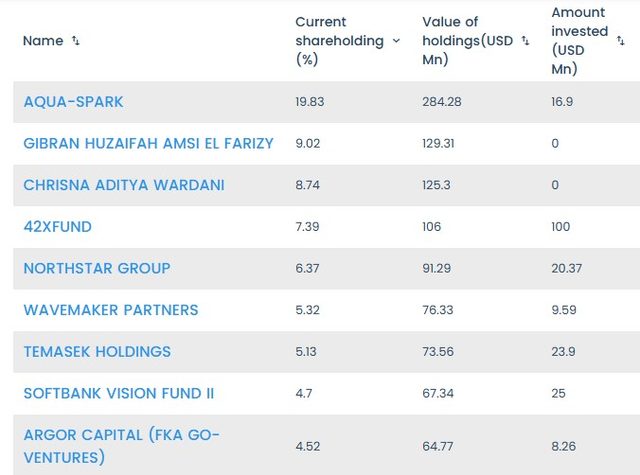
A year later, Temasek joined the subsequent $200 million Series D round that made the aquatech company a unicorn, eventually giving the state investor about 5% holdings in eFishery, just around the same position as Wavemaker Partners, per DealStreetAsia’s DATA VANTAGE. According to DealStreetAsia’s earlier reports, investigators estimate that eFishery’s backers may be able to recoup less than 10 cents on the dollar from their investments at the time.
Top Shareholders of eFishery
Asked if Temasek has written down that investment, chief financial officer Chin Yee Png said that the firm undertakes exercises annually to make sure that all portfolios in its books “are properly marked.”
A Dubai royal family-linked company was, however, among the latest investors to have shown interest in giving the startup a lifeline, per a DealStreetAsia report in June. The deal structure and involvement of venture investors in the potential transaction were unclear.
Temasek has previously faced similar setbacks with now-bankrupt crypto exchange FTX, which had led it to punitively slash the pay of the investment team and senior management responsible for the underwriting following an internal investigation about two years ago.
Similarly, for eFishery, its risk team had conducted a review on the investment and reported the findings to the board and Risk Committee, and figured out the lessons learned from the event, Png shared.
However, the Temasek investment chief has not lost faith in young companies, which account for 5% of its overall portfolio. Half of that exposure is through venture capital funds across 1000s of companies, while the other half is in direct investments, which the firm has shifted focus to later-stage deals due to the startup funding climate as well as high-rate environment, Sipahimalani explained.
“Our focus has been incrementally on Series C and D in later stages. At that earlier stage, even though we have an Emerging Technologies Group that continues to look at very early-stage companies in truly disruptive technologies, whether it’s quantum computing, nuclear fusion, et cetera, the amount of dollars put out there is small,” he said.
Bad optics
Since the beginning of the year, the eFishery scandal has been compounding the challenges that Southeast Asia’s young venture ecosystem is already facing. The incident has further marred investor confidence in a region that is already grappling with a poor distribution track record.
“This is obviously negative because this is a less developed ecosystem, and every situation of fraud that we have raises questions. It’s important for governments, regulators, and everyone to make sure that the right steps are taken to mitigate these things,” said Sipahimalani.
Chia reassured that such risks relating to fraud cases are not specific to any particular region and can still be found even in developed markets. “As an investor, we are not naive to think that this will never happen. We will obviously try to learn from each lesson and try to be better, but the risk and exposure are always there.”
“It is not the reason for us to back away [from early-stage investments]. We should push ourselves to work harder to figure out a way to mitigate the risks.”
In the wake of the eFishery scandal, Shane Chesson, founder of Openspace – one of Singapore’s largest venture funds that manages about $800 million – has been rallying fellow managers to tackle governance failures in the region’s startup ecosystem. As vice-chairman of the Singapore Venture & Private Capital Association, he is spearheading efforts to develop industry-wide measures to prevent similar cases in the future.